Wintering in Style: Finding Motivation, Movement and Balance Through the Darker Months

As the New Year starts and winter settles in, our routines, energy levels and motivations naturally shift. Shorter days and colder temperatures, we make it harder to prioritise movement and self-care. For dancers, whose schedules remain demanding year-round, winter becomes less about changing what you do, and more about how you do it.
We spoke to Dipesh, Rambert dancer, about how he stays grounded, motivated and physically supported during the darker months helping anyone moving at home this winter.
Staying Motivated When the Days Get Darker
For Dipesh, winter motivation starts away from the studio. Rather than pushing against the season, he leans into what it offers.
Cooking plays a big role. Having “nice meals to come home to” creates something to look forward to at the end of the day, turning evenings into moments of comfort rather than collapse. Music is another constant, particularly jazz and soul, offering warmth, rhythm and grounding when daylight is scarce.
Equally important is staying socially nourished. Dipesh makes time for friends and seeks out art, fashion and music events, activities he describes as “wholesome”. These experiences keep his creativity alive and remind him that inspiration exists beyond the rehearsal room.
What’s key here is intention. “It doesn’t super affect me because of the things I’ve got in place,” he explains. Those things — food, music, people, culture — form a support system that keeps motivation steady even when energy dips.
He also uses winter as an opportunity to learn. Whether exploring a new hobby or researching an area of interest, Dipesh actively looks for ways to put knowledge into practice. This cycle of learning and doing keeps his mind engaged and adds purpose to colder months.
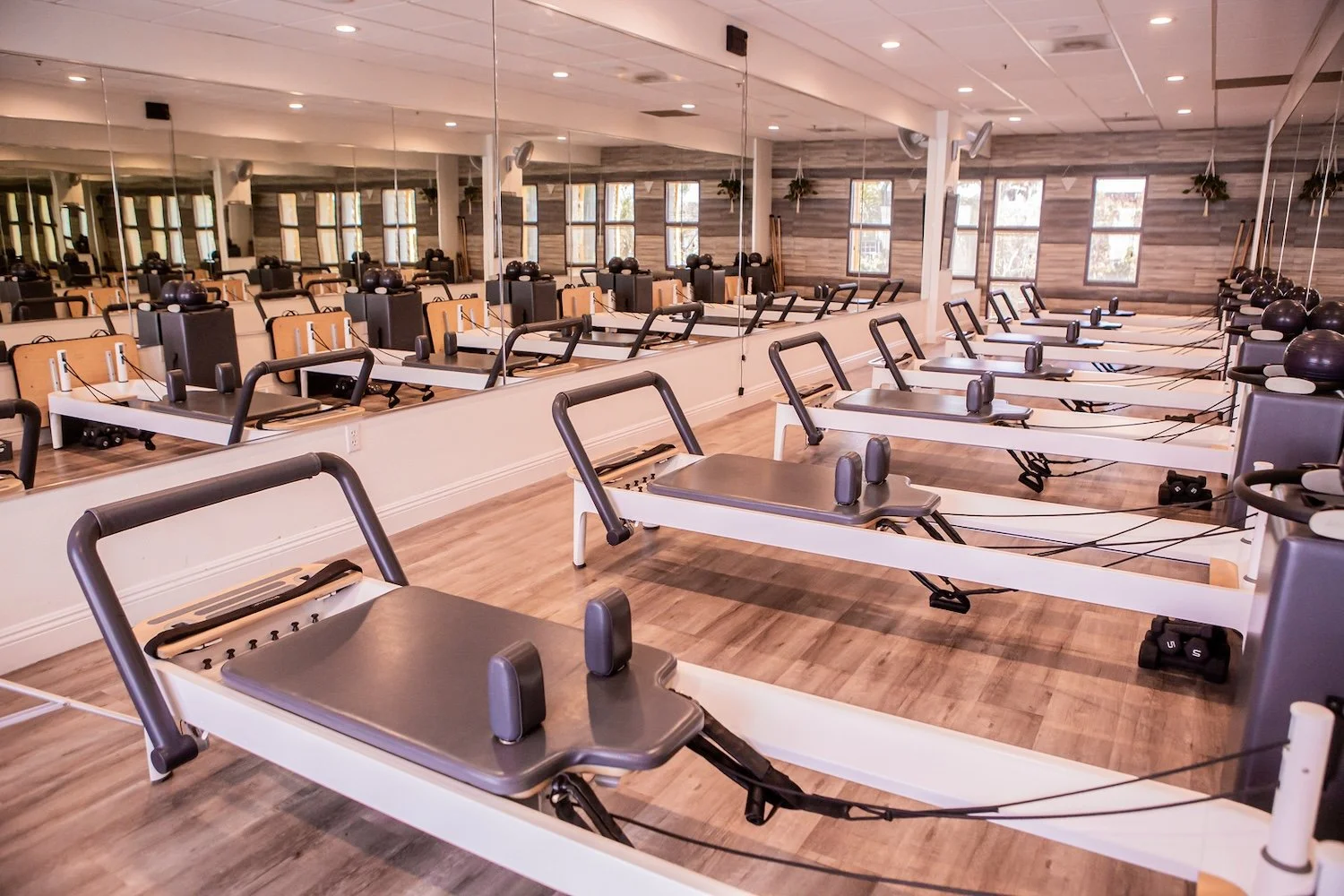
And underpinning it all? Routine. Reformer sessions, in particular, offer emotional regulation as much as physical conditioning. Anchoring your days when external factors feel less predictable it can speak volumes.
Adapting Movement for Cold Weather
While Dipesh’s performance schedule doesn’t change dramatically across the year, how he prepares and recovers does.
“Increasing self-care time” is essential. As evenings get darker earlier, he shifts his training to earlier in the day, often starting reformer sessions in the morning before class. This helps maintain momentum and avoids the challenge of trying to motivate himself once the light has gone.
Cold weather can impact the body more intensely, so additional recovery becomes non-negotiable. Regular massages help keep muscles responsive, while saunas — which Dipesh loves — provide warmth, relaxation and circulation support.
Indoor training also becomes more important. With less opportunity to move outside, reformer and gym-based work offer consistency and control. For dancers especially, maintaining strength, mobility and alignment through winter isn’t about doing more; it’s about doing just enough, thoughtfully.
For non-dancers, the takeaway is simple: winter movement doesn’t need to be extreme. It needs to be regular, warm and supportive. Short, focused sessions indoors can be just as effective as longer workouts.
Navigating the Busy Festive Period
December brings its own pressures. Social commitments multiply, routines are disrupted and time feels suddenly scarce. Dipesh’s approach is rooted in kindness towards himself and others.
“Don’t feel like you have to go to every event,” he says. Choosing rest or solitude over obligation isn’t a failure; it’s a form of self-care. He emphasises that relationships aren’t measured by frequency but by depth. Even a single day spent with someone you haven’t seen in years can be profoundly impactful.
This mindset shift is particularly powerful during winter. Rather than trying to “keep up” physically or socially, Dipesh reframes the season as one of quality over quantity. Less doing. More meaning.
For anyone juggling work, family and festive expectations, this perspective offers relief. Movement doesn’t have to disappear, it just needs to adapt. A short class, a gentle stretch or a mindful session can be enough to stay connected to your body without adding pressure.
Moving in Small Spaces at Home
When winter weather makes going outside unappealing, limited space at home can feel like another barrier. But for Dipesh, confined spaces have been a site of learning.
During a previous injury, he had to adapt his training to smaller environments, discovering new ways to move and strengthen without travelling or large studios. That experience reshaped how he approaches home movement now.
Online classes designed specifically for home workouts — like those on Rambert Plus — remove guesswork. They’re structured with spatial awareness in mind, helping movers adapt choreography and exercises to their surroundings.
Over time, Dipesh encourages experimenting. Borrow elements from different styles, notice what works for your body and allow yourself to modify. This process builds not only physical resilience but also a deeper understanding of your relationship to space.
“Knowing your space and knowing how to adapt to it can teach you about your relationship between body and space,” he explains. It’s an awareness that dancers train for years, but one that anyone can develop at home.
Carrying Movement Into the New Year
Winter doesn’t have to be a full stop. It can be a recalibration.
By prioritising routine, self-care and intention, movement becomes something that supports you rather than something you need to force. Whether that’s through cooking nourishing meals, moving to music you love, or carving out ten minutes on the mat in your living room, the goal is sustainability.
As the year ends and a new one begins, Dipesh’s reflections remind us that winter is not about doing less; it’s about doing what matters, with care.
And sometimes, that starts exactly where you are.